

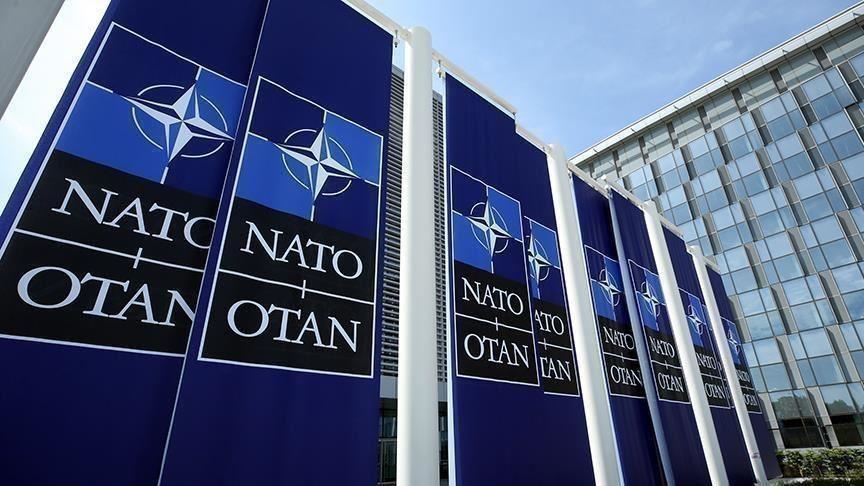

From the Cold War to the present, the transatlantic alliance has been one of the fundamental pillars of the Western security order. NATO, bringing together the USA and its European allies, has functioned as an umbrella that reinforces not only military but also political and strategic ties. However, developments in recent years are causing the resilience of this structure to be questioned.
Shocks in Transatlantic Relations
The tendency of the USA to gradually reduce its military engagement in Europe, countered by Europe’s turn toward a search for “strategic autonomy,” is among the primary factors straining the classical functioning of the alliance. Washington’s prioritization of the Asia-Pacific region and its policies positioning China as the primary rival generate concerns among European allies that security guarantees are weakening.
These anxieties became even more pronounced under the shadow of the Ukraine War. The USA’s efforts to redefine its role in Europe brought along coordination problems and strategic uncertainties within NATO. On the other hand, initiatives within the EU such as PESCO and the European Defence Fund, progressing under the leadership of France and Germany, reveal an intention to create a defense capacity independent of NATO. However, while this situation weakens transatlantic solidarity, it opens the future of the European security architecture to debate.
Türkiye’s Geostratic Position
In this environment of uncertainty, Türkiye’s role becomes even more critical. Possessing the second-largest army in NATO, Türkiye is an indispensable country for European security due to its location at the intersection of the Black Sea, the Mediterranean, and the Middle East. Türkiye’s contribution in areas such as migration management, energy supply security, and the fight against terrorism is a strategic necessity for Europe.
Having undertaken the duty of an “outpost” protecting NATO’s southeastern flank during the Cold War era, Türkiye continues a similar function in different dimensions today. Its contributions in crisis zones such as Afghanistan, Kosovo, and Iraq have demonstrated that Türkiye is an important actor not only in terms of its geographical location but also its operational capacity.
The Rise in the Defense Industry
Another element strengthening Türkiye’s role within the European security architecture is the rapidly developing defense industry in recent years. Specifically, unmanned aerial vehicles (UAVs/UCAVs), the national combat aircraft project (MMU/KAAN), naval platforms (MILGEM), and air defense systems have elevated Türkiye to the position of a producer and technology developer taken into account on a global scale.
The effectiveness displayed by the Bayraktar TB2 in the Karabakh War brought Türkiye’s capability in this field to the world agenda, and it began to be seen as a cost-effective and efficient solution for European countries. This technological capacity holds the potential to be a complementary element in Europe’s defense modernization.
Strategic Interests for Europe
It is not realistic for Europe to exclude Türkiye while reshaping its security strategy in the coming period. The security of energy corridors, the management of migration waves, and elements of direct military deterrence make Türkiye’s contribution indispensable. However, this cooperation must be handled not only at the military level but also with its political, economic, and social dimensions.
The fact that relations between Europe and Türkiye occasionally get caught in political tensions overshadows the potential for strategic cooperation. Yet, in a period where the transatlantic alliance is weakening and new security risks are emerging, Türkiye’s strategic location and military capacity could function as a critical security insurance for Europe.
Photograph: Anadolu Agency